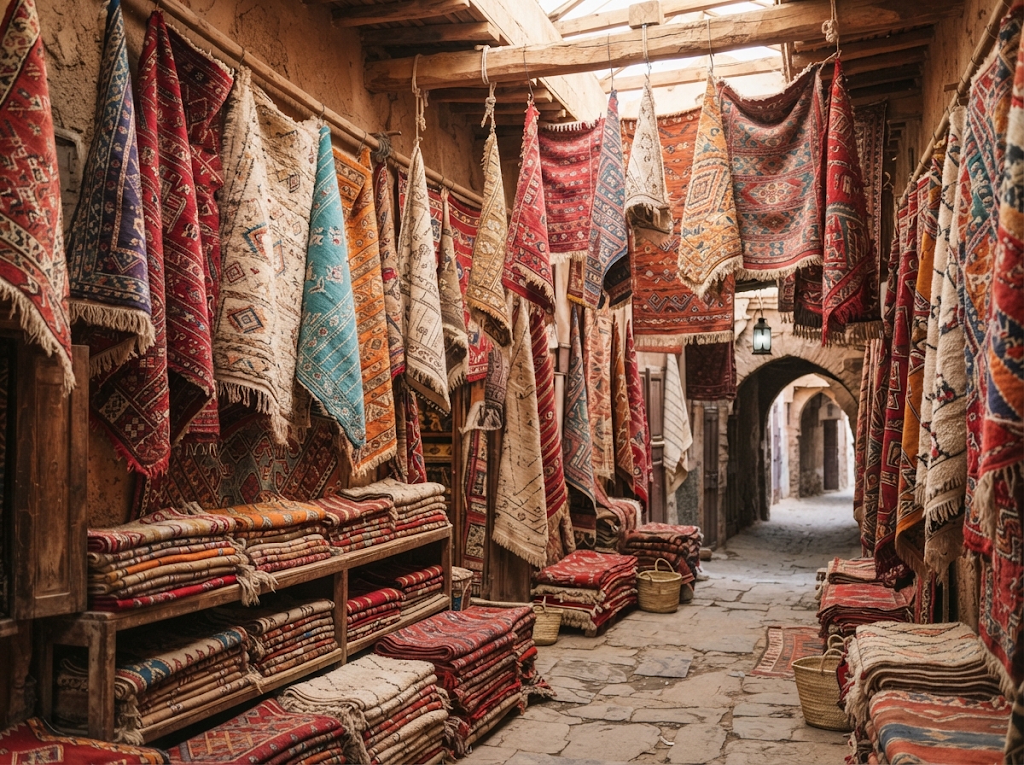
A visitor to the Grand Bazaar in Istanbul or a small shop in Cappadocia is offered tea, a story and a rug. The rug may be a hundred years old or a hundred days old, and the visitor often cannot tell the difference. Turkish kilims and carpets are among the most admired handmade goods in the world, and dealers now sell them online to customers in Britain, Germany, Canada and Australia who have never touched the wool. When a buyer cannot touch a carpet, the written description, the photographs and the certificate have to do the touching for her. This guide explains how rug dealers, workshops and cooperatives can prepare English materials that inspire trust and withstand scrutiny.
What Online Buyers Need to Know
A buyer wants to know the age, the origin, the materials, the dyes, the size, the technique and the condition. She also wants to know who made it, where it was found and how it will be shipped. These facts are the difference between a purchase and a regret. Write them in a consistent order for every piece, so that customers can compare rugs easily.
Terms That Matter
Words such as kilim, carpet, knot, warp, weft, pile, madder and natural dye have specific meanings, and a mistake will be noticed by experts. A kilim is flat-woven, while a knotted carpet has a pile, and the two should not be mixed in descriptions. Choose English terms for each technique and keep them fixed across the shop. Museum websites, such as metmuseum.org, offer vocabulary and examples that can guide the choice of terms.
Age, Origin and Honest Claims
Claims about age and region are central to value. Say old, antique or vintage only when you can support the claim, and explain how the age was estimated. If a rug is a modern reproduction of a traditional design, say so clearly. Honest descriptions protect your reputation, and in many countries consumer law treats misleading claims as a serious matter.
Certificates and Provenance
Dealers often provide a certificate of authenticity or an appraisal. These documents should state the facts they rely on: measurements, materials, estimated date, origin, the examiner and the date of the examination. A professional turkish translation company can prepare English versions of certificates, export papers and workshop records, so that buyers, insurers and customs officers can read them without confusion. Keep the Turkish original together with the translation.
Export Rules and Cultural Property
Turkey regulates the export of antiques and cultural objects, and similar rules apply in other countries for imports. Dealers must check which objects need a permit, and keep documents for each shipment. Never ship an item whose legal status is unclear. Describe the paperwork in the product page, for example whether the buyer receives an export certificate or an invoice for customs. For another example of how official documents should be handled across languages, see this article on divorce certificate versus divorce decree.
Photos That Tell the Truth
Show the full rug, the corners, the back, a close-up of the weave and the colours in natural light. Add a photo with a familiar object for scale. Mention that colours may look different on different screens, and offer to send extra images on request. Photos should match the item that will be shipped.
Condition Reports
Old rugs have repairs, fading and wear, and good dealers describe them plainly. Use a standard list: edges, ends, pile, holes, stains, repairs, odour and cleaning. Avoid euphemisms that hide problems. Buyers respect honest condition reports, and they return to dealers who tell them what they would otherwise discover themselves.
Pricing, Payment and Returns
State prices in a clear currency, explain taxes and duties, and describe the payment methods you accept. Set out a fair return policy, including who pays for shipping and how long the buyer has to decide. Say what happens if the rug arrives damaged. A clear policy removes the fear of buying something large from a distant seller.
Care and Cleaning
Provide a care guide in simple English: vacuuming, rotating, avoiding direct sun, dealing with spills and when to consult a professional cleaner. Explain that natural dyes and handmade fibres need gentle treatment. A short, illustrated guide in the parcel adds value and reduces complaints.
Telling the Story
Many buyers are moved by the people behind the rug: the weavers, the village, the pattern passed from mother to daughter. Share these stories with respect and accuracy, and ask permission before naming or photographing people. Avoid romanticised clichés, and pay attention to how the weavers are paid, since customers increasingly ask.
Build Trust Over Time
Keep a glossary, a template for descriptions and a master file for each item. Review customer questions every season and update the pages. A shop that explains its rugs with care earns something no bazaar bargain can match, and that is the confidence of a buyer who knows exactly what is coming home.
Wholesale, Interior Designers and Galleries
Trade buyers need different information from private customers: price lists by size, minimum orders, availability, photographs in a downloadable folder and clear terms for returns of items shown to clients on approval. Prepare a short English trade sheet, and answer enquiries within a day, since designers often work to tight project schedules.
Insurance During Transport
Valuable rugs travel with insurance, and claims depend on accurate descriptions and photographs. Keep a file for every shipment with the invoice, certificate, condition photos and tracking details. If a loss occurs, this file speeds up the claim and protects both seller and buyer.